
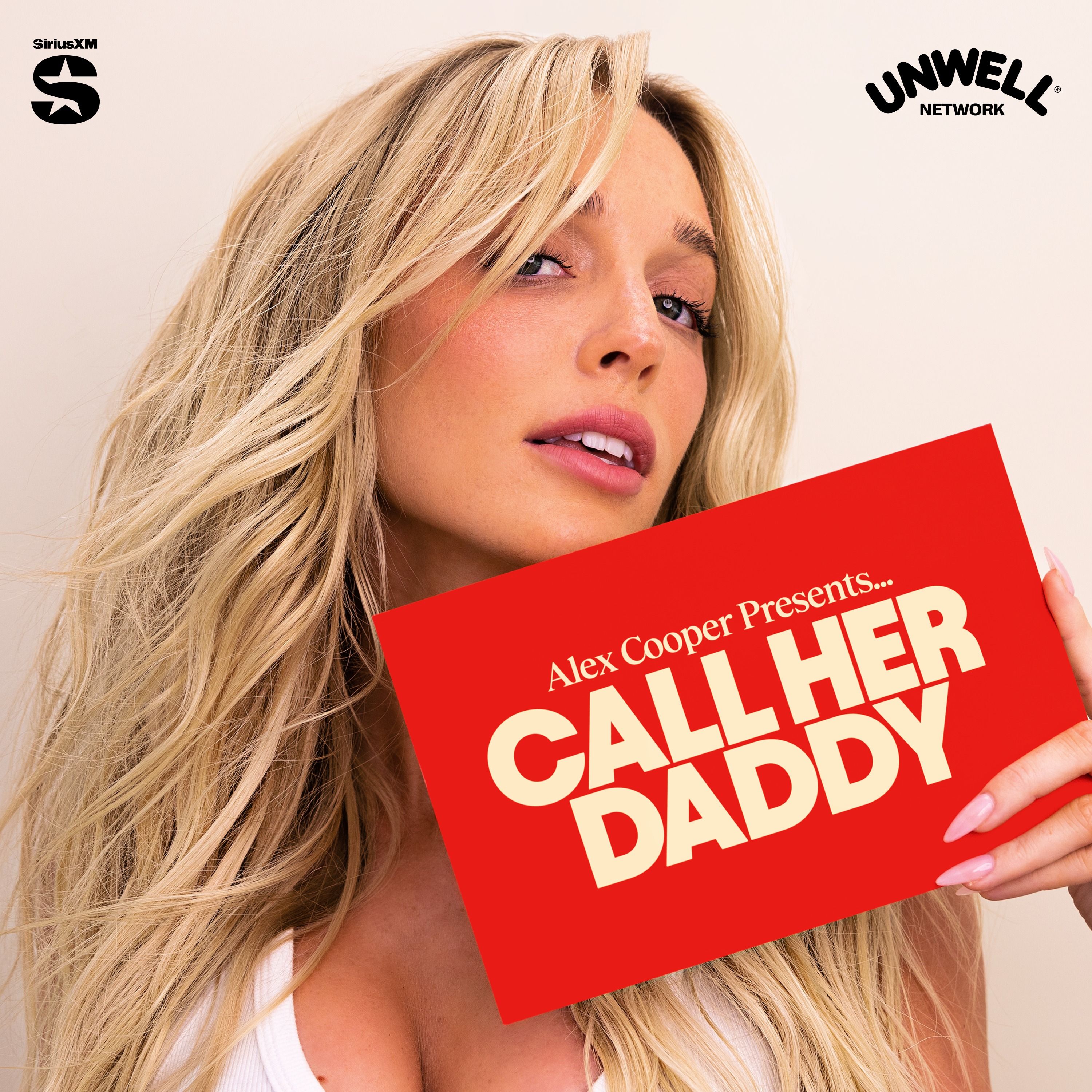
Call Her Daddy
Call Her Daddy
"I think that, you know, in life everybody does things thinking they're doing it for the right reason and maybe like with good intentions but sometimes like, there isn't always good intentions and sometimes you can't really explain why people do what they do." — Misha Barton
"Strength comes at the darkest times, you know? I mean I found my strength and when I was younger like I didn't think I was, I thought I was gonna like be dead by 27, I was gonna be part of that 27 club." — Misha Barton
"Actors are not the roles they play. Period, God bless. Everyone online, you get that." — Misha Barton
The episode features an in-depth conversation between Alex Cooper and Misha Barton, focusing on Barton's experiences as a child actress, particularly her role in the hit series "The O.C." Barton reflects on her early life, her transition from London to New York, and the initial challenges of developing an American accent for acting. She recounts how a childhood monologue led her to acting, and how she navigated school as an outsider, often feeling like a "gothic" or "weird" kid, a stark contrast to the perceived popular image of actors. The discussion delves into her pivotal decision to forgo college for "The O.C.," a choice she acknowledges with a lingering sense of what might have been, but ultimately understands as a life-changing opportunity.
The conversation then shifts to the intense pressures of starring in a hit television show at a young age. Barton details the complexities of her on-screen and off-screen relationship with co-star Adam Brody, highlighting the significant age gap and her personal readiness for such a relationship at 17. She describes the challenges of navigating the industry's expectations, the constant scrutiny from paparazzi, and the impact of inter-cast dating dynamics on production and personal well-being. Barton also touches upon the difficulties of her character Marissa Cooper's dramatic storylines and eventual departure from the show, explaining it as a necessary creative and personal decision to move forward.
The latter half of the interview centers on Barton's journey through significant personal struggles, including dealing with the intense fame, mental health challenges, substance use, and instances of exploitation. She candidly discusses the impact of invasive paparazzi tactics, the feeling of never being able to escape public attention, and the difficult process of regaining control over her life. Barton emphasizes the importance of therapy, building a chosen family, and prioritizing self-love and sobriety as key elements in her recovery and current state of well-being. She reflects on past relationships, the challenges of rebuilding trust after betrayal, and her evolving perspective on love and partnership, now seeking a partner who is driven, has a sense of humor, and feels like a best friend. The interview concludes with Barton discussing her upcoming projects, including a rom-com in Australia, and her hope that listeners take away a message of strength and resilience.