
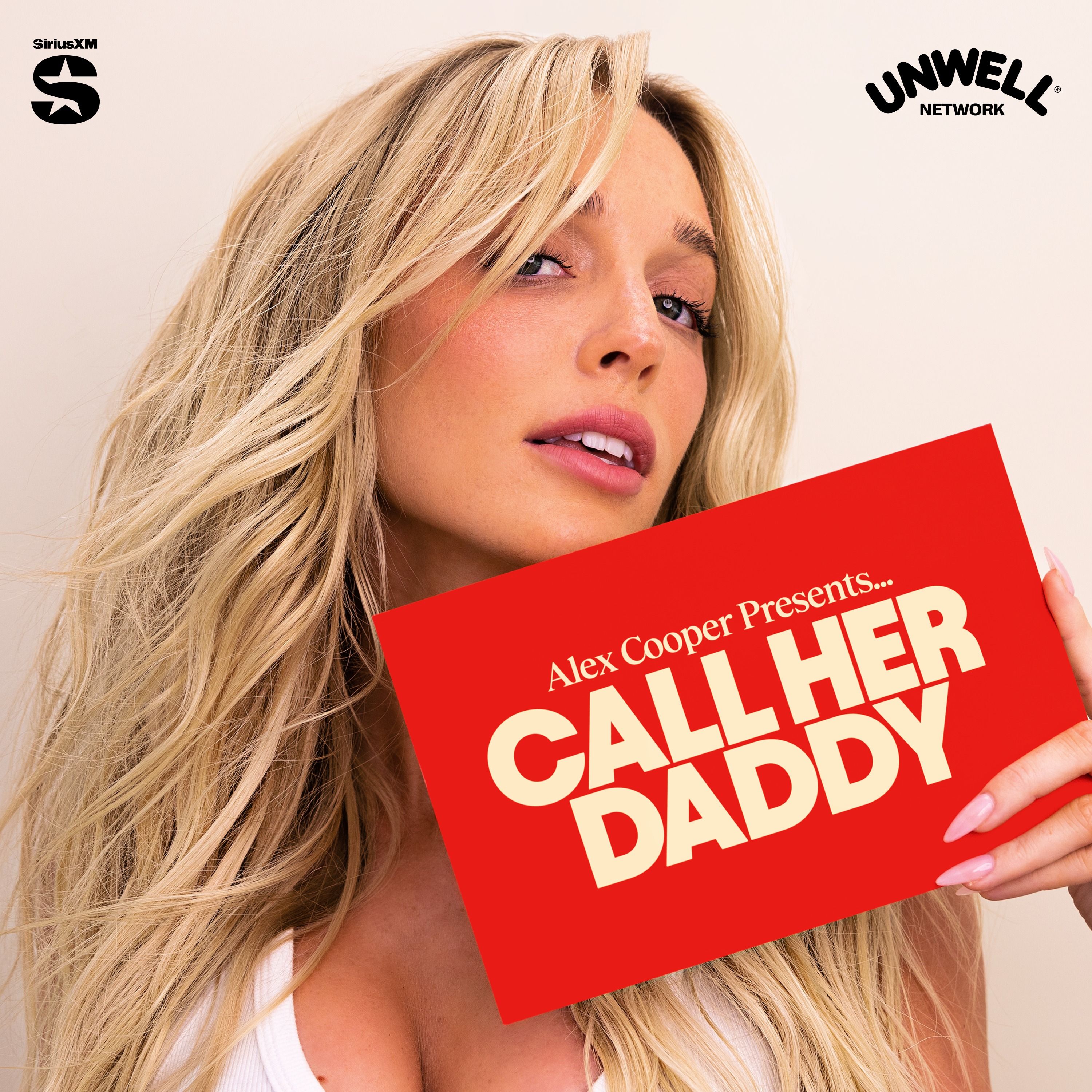
Call Her Daddy
Call Her Daddy
"Burnout is a formal diagnosis in the ICD 11, the International Classification of Diseases. The definition though formally is limited to workplace burnout. And if the pandemic has taught us anything, it has taught us that we can burn out from parenting. We can burn out from a relationship pretty much any context can cause us to be overwhelmed and exhausted to have that feeling of like I have nothing left, my tent is empty." — Emily Nagoski
"The way this played out for me in my life was when I start thinking, what are they going to do? Fire me? That's a sign that I'm burnt out. Oh, I don't actually have to put my all into this project. Oh, I don't actually have to try here because it doesn't matter. Nothing good is going to happen anyway. The worst thing can happen is they'll fire me and frankly, it would be a relief." — Emily Nagoski
"The cure for burnout can't be self-care. It has to be all of us caring for each other, caring for each others, well, being as much as we care about our own." — Emily Nagoski
The episode defines burnout not just as feeling tired from a job, but as a scientifically recognized condition with three components: emotional exhaustion, a decreased sense of accomplishment, and emotional detachment. Dr. Emily Nagoski, a health psychologist, explains that burnout is a physiological state where the body remains stuck in the stress response cycle, unable to return to a state of calm. This is particularly prevalent in women due to "human giver syndrome," a societal conditioning that encourages prioritizing others' needs and suppressing personal emotions, leading to accumulated stress that the body cannot process.
Nagoski emphasizes that completing the stress response cycle is crucial for well-being. This is achieved through physiological actions rather than intellectualizing the stress away. Evidence-based strategies include physical activity (though not equally accessible to all), adequate sleep (7-9 hours for most), connection with loved ones (like the "30-second hug"), creative self-expression (journaling, writing, or even unshared podcasting), and mindful breathing. The key is to engage in activities that signal safety to the body, allowing it to move through the stress cycle.
The discussion highlights that while societal stressors like global issues and personal challenges are significant, the inability to complete the stress response cycle is the core of burnout. The episode concludes by reframing self-care not as a cure, but as a foundation that enables collective care, advocating for a shift from solely individual responsibility to mutual support. The conversation aims to empower listeners to recognize burnout as a valid condition and to implement practical, actionable steps to manage their stress and improve their overall well-being, encouraging a defiance of societal pressures that often contribute to burnout.