
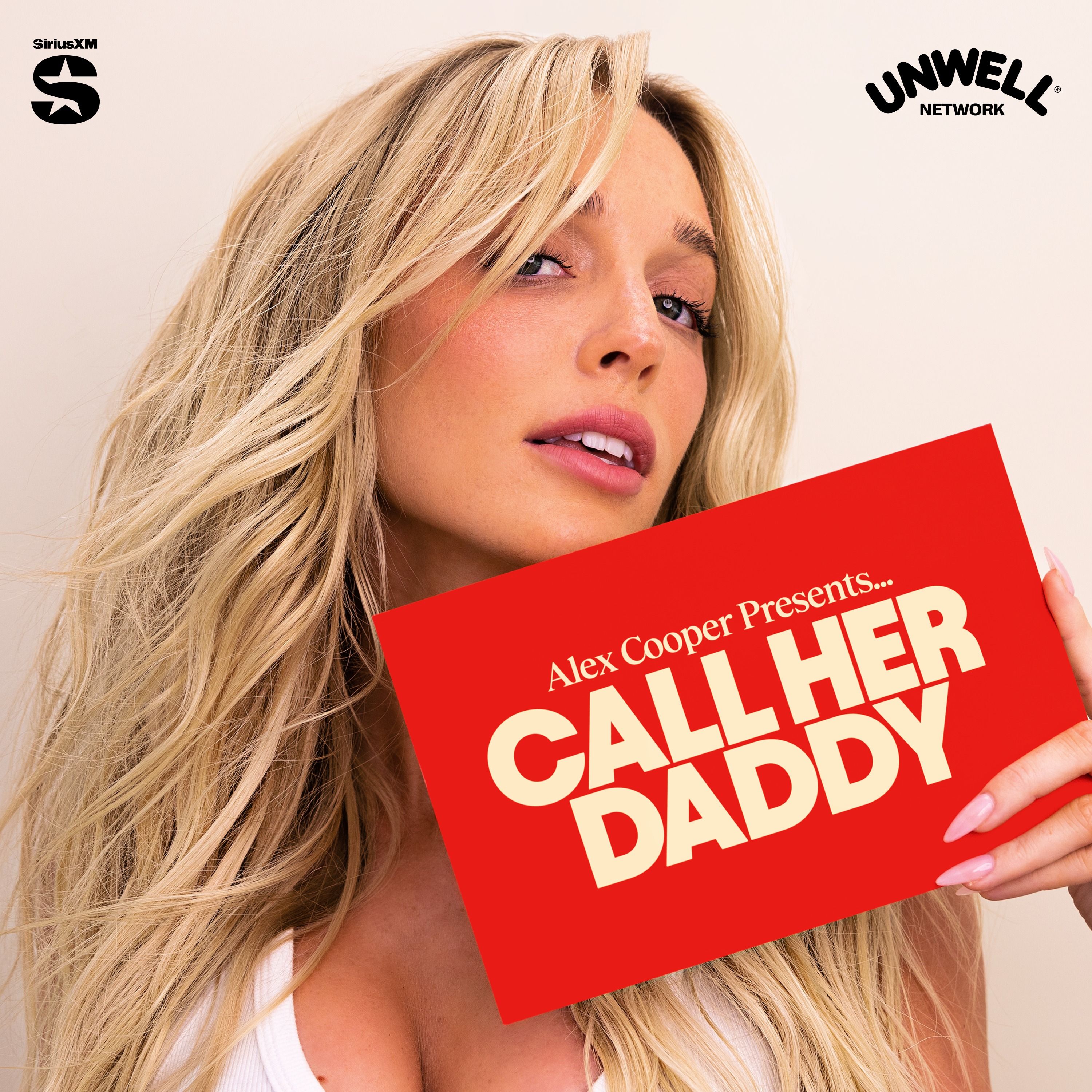
Call Her Daddy
Call Her Daddy
"The unhealthy version of that is independence is bad, therefore anything that separates you from the unity with the group or translate it to an abusive relationship, the person that you're with, translate it to a work environment, your work community, anything that's inhibiting your ability to cast off yourself and serve other people in favor of yourself, that's problematic and that needs to be addressed and shut down." — Bethany Joy Lenz
"Nobody joins a cult. You join a good thing, nobody walks into something and says, 'Hey, I can't wait to fuck up my life. Where do I sign?'" — Bethany Joy Lenz (quoting Mark Manson)
"I hope people feel like they're not alone, I've said that before, like I really, I really want people to feel like their own shame, their own mistakes are faceable. But there's hope and that shame, like please don't live in shame, don't let it keep you closed off and shut down and not talk about things. You have to let it out, you have to let it out of your body, it's the only way to actually find hope and move forward." — Bethany Joy Lenz
The episode features a candid conversation with actress Bethany Joy Lenz, known for her role in "One Tree Hill," who shares her personal journey of escaping a high-demand religious group where she was involved for ten years. Lenz describes her upbringing, marked by loneliness and a sense of being an "old soul," and how early family dynamics, including addiction and codependency, influenced her search for belonging. She recounts being drawn into the group through a seemingly benign Bible study, seeking community after moving to Los Angeles. The insidious nature of the group's control is detailed, starting with subtle shifts in leadership and the introduction of concepts like "independence creates an internal rebellion against God," which aimed to foster dependence on the group.
Lenz elaborates on the manipulative tactics used, including the co-opting of the term "bio family" to distance members from their biological relatives and the systematic discouragement of questioning leaders' directives through "illegal questions." Her experience on "One Tree Hill" is explored, highlighting the contrast between her public success and private struggle, and how the show served as a cathartic outlet. She discusses the difficulties of maintaining relationships on set due to the group's influence, the financial control exerted, and her eventual marriage to another group member, which was further complicated by a lack of genuine connection and the introduction of a structured sexual "duty." The narrative emphasizes the gradual realization of the group's harmful nature, particularly after seeking therapy and experiencing domestic abuse, which ultimately catalyzed her decision to leave.
The latter part of the episode focuses on the difficult process of untangling her life from the group, including the financial repercussions and the fragmented family court system's struggle to address spiritual and emotional abuse. Lenz shares her perspective on the biggest misconceptions about cults, noting their modern forms are often less overt than popular portrayals and can infiltrate everyday life. She reflects on the ongoing challenge of rebuilding trust in herself and others after such an experience and expresses her hope that her story will help others feel less alone and empower them to confront shame, find hope, and move forward.