
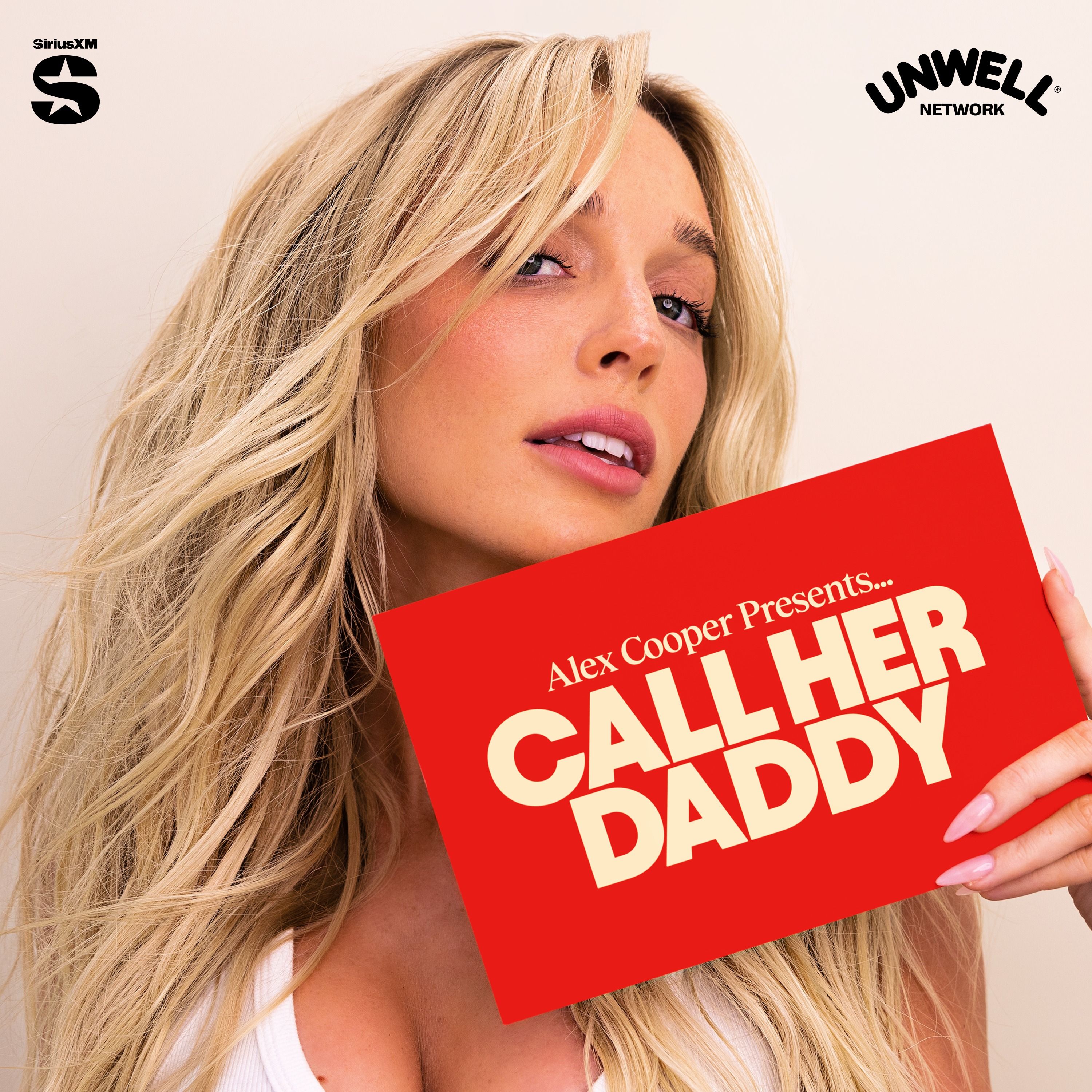
Call Her Daddy
Call Her Daddy
"The point of therapy is for me to help you go through the hard times not you go through them package it and then just tell me about it." — Dr. Orna Guralnik
"The other thing that I think is one of the kind of core issues that happens between people is this kind of push pull relationship between our need for safety and consistency and predictability and our need for newness and adventure." — Dr. Orna Guralnik
"If your partner is not confident enough and secure enough in themselves and they're trying to put you down for your successes that is a huge red flag." — Alex Cooper
The episode begins with Alex Cooper introducing Dr. Orna Guralnik, a licensed therapist and couples therapist featured on Showtime's "Couples Therapy." Cooper expresses her deep admiration for Guralnik and her work, noting how the show has become an obsession for her and her audience, normalizing therapy and its importance. Guralnik shares her background as a psychologist and psychoanalyst, discussing her transition into documenting therapy and the initial concerns about authenticity and self-exposure. The conversation quickly delves into the therapeutic process, debunking myths about therapy being intimidating and highlighting it as a worthwhile investment in oneself.
Key themes explored include the impact of external events, such as the pandemic, on couples dynamics, forcing conversations about differences and privilege. The concept of "otherness" in relationships is examined, detailing how differing perspectives can lead to irritation and the importance of accepting these differences. Guralnik introduces the "push-pull" dynamic between the need for safety and predictability versus the desire for novelty and adventure, which she notes is amplified by social media and the fear of missing out (FOMO). The discussion also touches upon issues of trust, betrayal, and the complex underpinnings of why such breaches occur, often linked to an individual's internal struggles rather than solely the partner's actions.
The episode further dissects attachment styles, explaining how early experiences shape our innate programming for connection and how insecure attachments can manifest in adult relationships. Cooper shares her personal journey with independence and how it impacts her approach to partnership, while Guralnik discusses the evolving scripts for modern relationships, particularly the challenges men face with shifting gender roles and empowered women. Finally, the conversation addresses common relationship issues like communication breakdowns, blame, and codependency, offering insights into identifying unhealthy dynamics and the potential benefits of both individual and couples therapy for healing and growth, including the profound concept of transgenerational trauma.